Detection

Gas detection for building safety

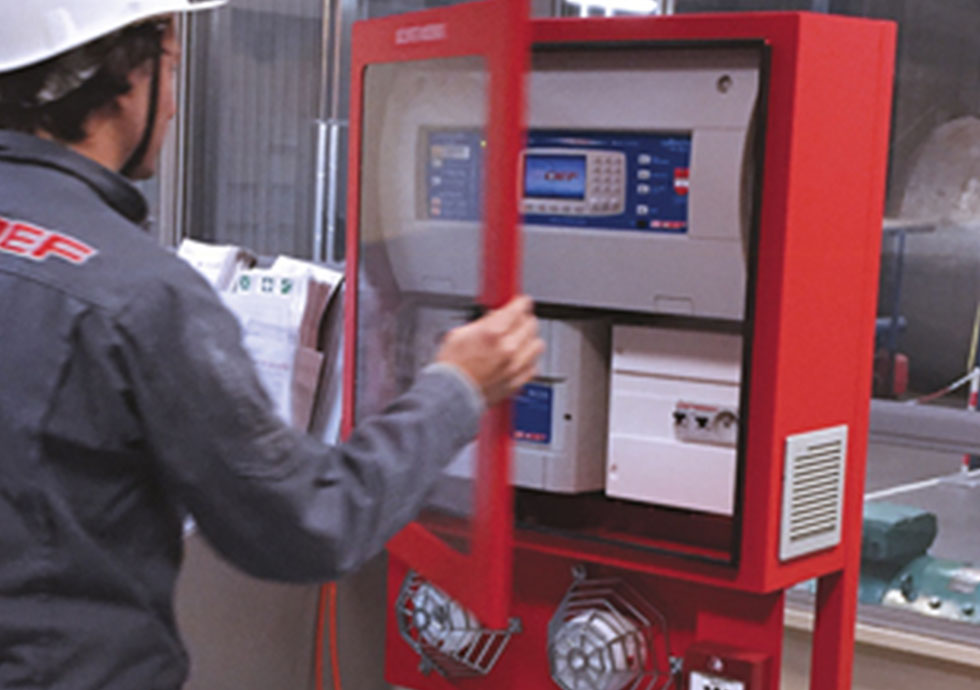
Accidental or uncontrolled gas releases can have major consequences for personal safety, equipment integrity, and operational continuity. Gas detection allows for the rapid identification of any abnormal concentrations of combustible or toxic gases, or any oxygen deficiency, before a critical situation arises. At industrial, technical, or sensitive sites, it is a vital component of the overall security system.


At DEF, gas detection isn’t just about a single sensor. It is part of a comprehensive approach: risk analysis, selection of the right technology, integration into the information security system, commissioning, maintenance, and long-term support.

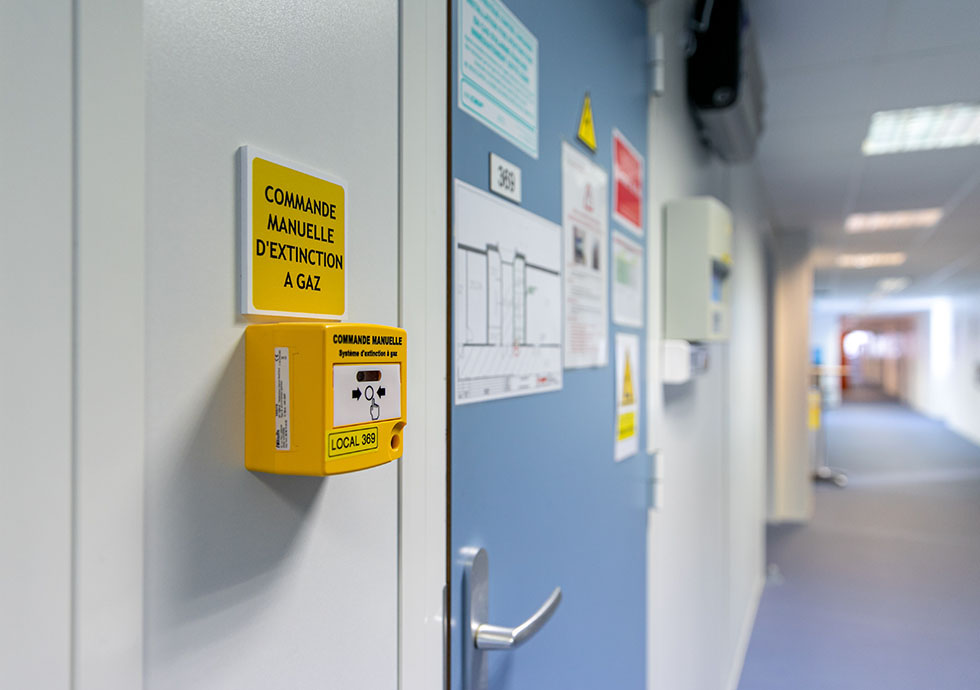
bouton manuel detection gaz
  • Gas risk detection
  • Atmosphere monitoring
  • Industrial gas safety
detection gaz erp

How does gas detection work?

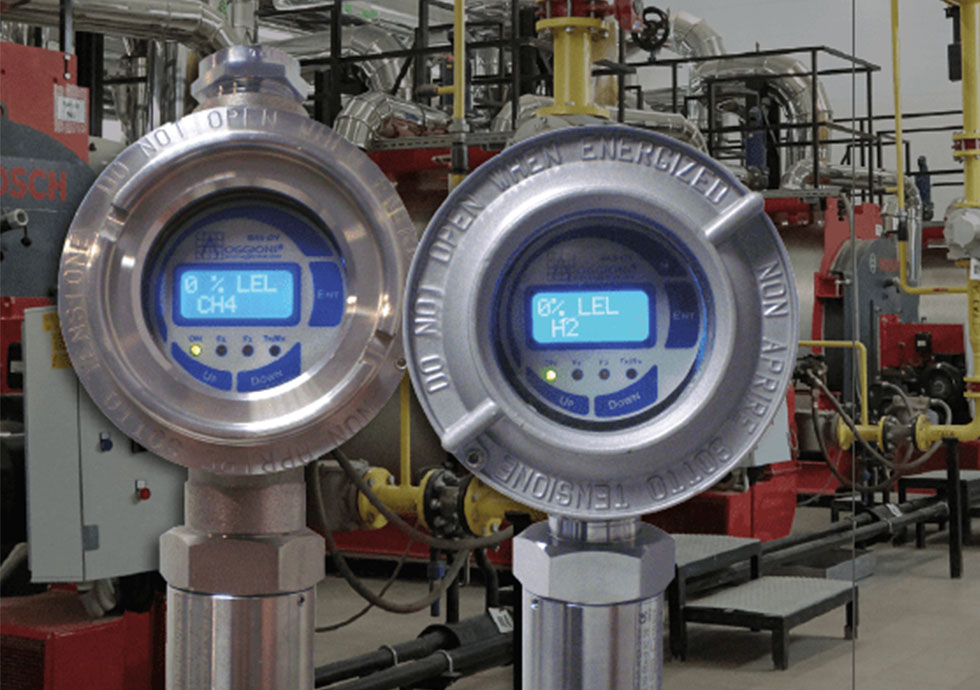
A gas detection system relies on a network of sensors capable of continuously analysing the atmosphere to identify the abnormal presence of combustible gases, toxic gases, or a dangerous change in the oxygen level. The sensors transmit their readings to a control centre, which interprets the signals and, if necessary, triggers the safety measures specified for the site.

The system generally consists of several complementary components:

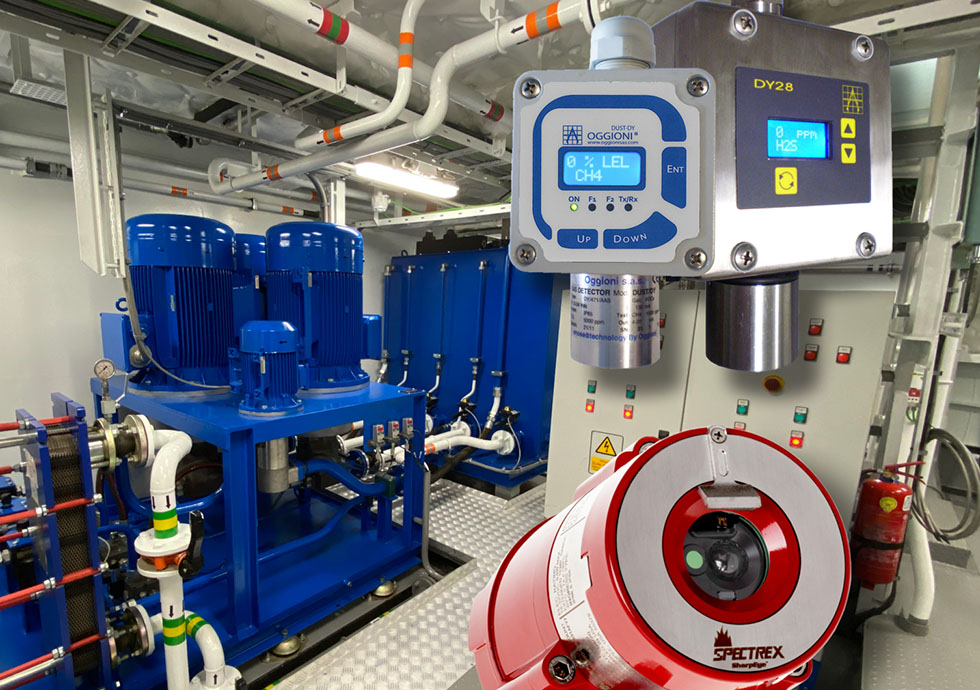
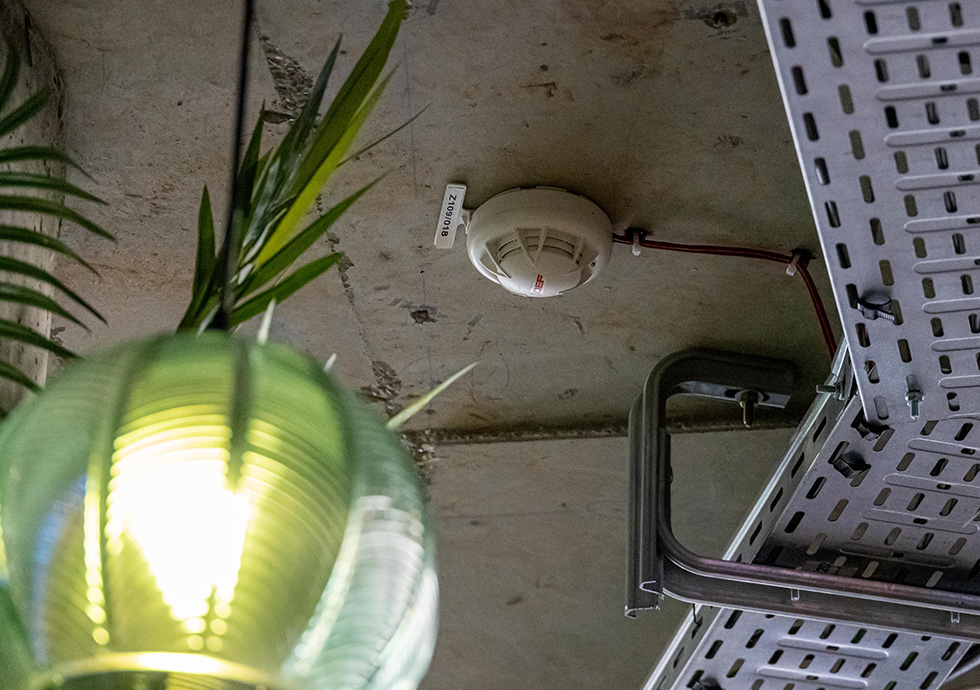
  • Détecteurs fixesFixed detectors, installed depending on the type of gas and its density, on the ceiling, at head height, or as close to the floor as possible. A central processing unit that monitors all lines, collects data, and manages alert thresholds. Visual and audible alarms to immediately alert occupants and operators. Control outputs that automatically trigger safety scenarios: power shutdown, gas valve closure, ventilation activation, alarm transmission, or fire safety mode.
  • Centrale de traitement
  • Alarmes visuelles et sonores
  • Sorties de commande

Three types of gas

An architecture tailored to each type of risk

The strength of gas detection is that it adapts to the specific nature of the hazard. Not all gases have the same consequences or the same installation requirements.

  • Flammable gases

    Excessive release of flammable gases can cause a fire or explosion. This is particularly true for hydrogen in battery rooms, butane, propane, or methane in boiler rooms, as well as flammable vapours from solvents or hydrocarbons.

  • Toxic gases

    Some gases are harmful, or even deadly, even at very low concentrations. The Réseau DEF page specifically mentions ammonia, hydrogen sulphide, and carbon monoxide, which are found in environments such as deep-freezing facilities, water treatment plants, oil refineries, and underground parking garages.

  • Oxygen level

    An abnormal oxygen level is also dangerous. Too low a level can lead to asphyxia or anoxia, while too high a level can promote inflammation. The INRS points out that an oxygen-depleted atmosphere is already considered an anomaly, and the Réseau DEF page uses 21% as the reference concentration.
Detection gaz 2 e1720533676699

An architecture tailored to each type of risk

Effective gas detection involves more than just installing sensors. It also depends on the quality of the information chain and on the system’s ability to trigger the right actions at the right time

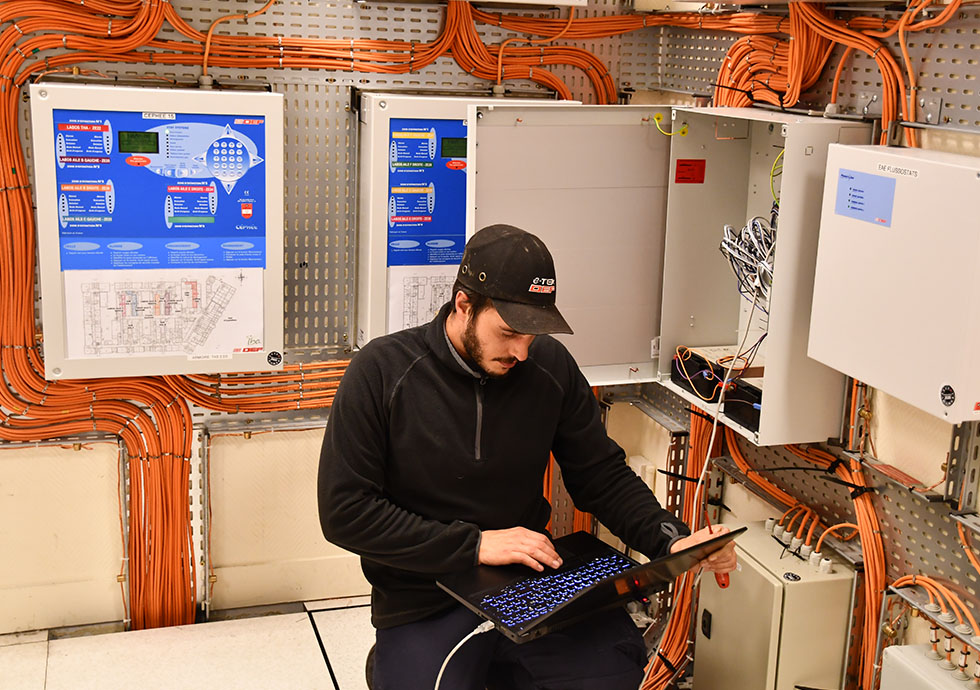
Gas detection control panels can incorporate various communication protocols to ensure compatibility with monitoring systems, technical equipment, and the fire safety system. Thresholds can be configured based on the expected alert level: a pre-alarm to signal a gas leak, and an alarm to automatically activate safety measures. The system also stores event data, which facilitates traceability, analysis, and regulatory compliance.

Why install a gas detector?

Gas detection is a practical preventive measure in environments where a leak, gas buildup, or lack of oxygen could jeopardize people’s safety and site operations. It enables the rapid identification of anomalies, the initiation of appropriate safety measures, and the mitigation of an incident’s impact on buildings, processes, and production.

Risk covered Operational benefit
Protection of individuals
Leak of flammable or toxic gas, or lack of oxygen
Early detection and early warning before a critical situation arises
Explosion prevention
Gas accumulation in the explosive range
Automatic triggering of security measures
Business continuity
Gas incident in a process area, utility room, or sensitive area
Reduced downtime, minimised damage, and faster recovery
Regulatory compliance
ATEX requirements, atmosphere monitoring, employer obligations
Compliance and mitigation of legal risk
Maintenance and management
Sensor drift, fouling, or aging
Equipment monitoring and improved performance management
:

A regulatory requirement for high-risk sites

The installation of a gas detection system is subject to regulatory and technical requirements designed to prevent the risk of explosions, poisoning, and fires in exposed environments. Here, we need to maintain a clear and educational card-based layout, just like in your template.

Need help?
  • TEST12

    Prevention of explosive atmospheres

    ATEX Directive 1999/92/EC
    The ATEX Directive requires the identification of areas at risk of explosion and the implementation of appropriate preventive measures. Gas detection makes it possible to anticipate when critical thresholds will be reached and to trigger safety measures.

    ATEX Directive 1999/92/EC
  • TEST12

    Monitoring of classified facilities

    Regulation for classified facilities for environmental protection
    Facilities classified for environmental protection must implement measures to prevent and monitor risks associated with combustible or toxic gases in order to minimise the risk of incidents and their consequences.

    ICPE regulations
  • TEST12

    Monitoring of workplace air quality

    Labour Code – Articles R4222-10 through R4222-17
    The Labour Code requires monitoring of air quality in the workplace. When hazardous gases may be present, detection and warning systems must be installed to protect workers.

    Labour Code
  • TEST12

    Technical requirements for detectors

    NF EN 60079-29-1 and 2 Standards
    This standard covers the selection, installation, use, and maintenance of flammable gas and oxygen detectors in explosive atmospheres. It serves as an important reference for ensuring the reliability of a gas detection project.

    NF EN 60079-29-1 and -2 standards
  • TEST12

    Fire and explosion prevention standards

    APSAD R13 and R17
    The APSAD standards help prevent fire and explosion hazards in industrial settings. They can incorporate gas detection as an additional safety measure for their installations.

    APSAD R13 and R17
  • TEST12

    Gas boiler rooms and utility rooms

    Decree of 3 August 2018

    Gas-fired boiler rooms require appropriate ventilation, automatic shut-off, and gas detection systems to minimise the risk of leaks, explosions, or operational shutdowns. Some high-power facilities require continuous monitoring of gas concentrations.

  • TEST12

    Battery and charging rooms

    Hydrogen risk and ventilation

    During charging, batteries can release hydrogen, a gas that is explosive at concentrations of 4% or higher in the air. Ventilation and H₂ detection help ensure the safety of battery rooms, charging stations, and sensitive industrial facilities.

Key figures

These figures illustrate the importance of continuous monitoring to prevent gas-related incidents.

  • 3 types of risks
  • Flammable gases, toxic gases, and oxygen deficiency or excess: gas detection covers three major categories of hazards.
  • – 45 %
  • Reduced material losses thanks to automatic shut-off 
  • + 60 %
  • Survival rate following early warning 
  • +65 years
  • of fire safety expertise

Your sectors

Technology tailored to each of your constraints

Every sector has its own constraints, risk levels and regulatory requirements. DEF designs fire safety solutions that adapt to any environment, ensuring performance, compliance and business continuity.

Rooms

Technology suited to all environments

  • Boiler rooms

    Monitoring of combustible gases such as methane, butane, or propane, with alarm activation and automatic system shutdown.

  • Battery rooms

    Hydrogen detection to prevent the risk of buildup and explosion in confined utility spaces.

  • Laboratoires

    A combination of detection systems for flammable and toxic gases and oxygen level monitoring, depending on the substances being handled and the processes involved.

  • Water and waste treatment

    Monitoring of toxic and flammable gases, particularly in areas where hazardous vapours or fermentation may occur.

  • Agri-food

    Detection suitable for cold storage, production, and storage areas exposed to certain industrial or toxic gases.

  • Pharmaceutics

    Protection of technical rooms, laboratories, and sensitive areas with detection systems tailored to security and business continuity requirements.

  • Chemicals & petrochemicals

    Comprehensive coverage of complex environments with significant challenges related to compliance, processes, and security.

  • Parking lots

    Monitoring of carbon monoxide and other exhaust gases in underground or poorly ventilated areas.

Video

Discover our solution

See all news

Request customised support

DEF offers personalised support at every stage of your fire safety project.
Talk to an expert

DEF Assistant

DEF Assistant

Let’s talk about your project

The assistant is typing…

Answers generated by artificial intelligence from the DEF website’s content: please check important information with our teams. Do not share personal information.