11/06/2026
NF S61-932: An amendment that redefines the oversight of actuated devices of safety
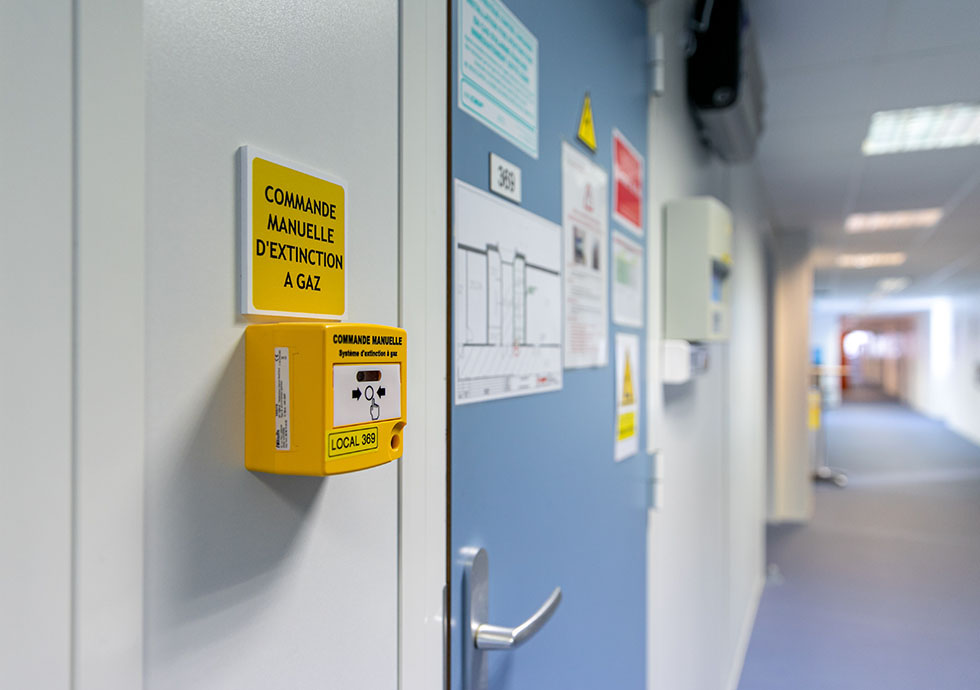
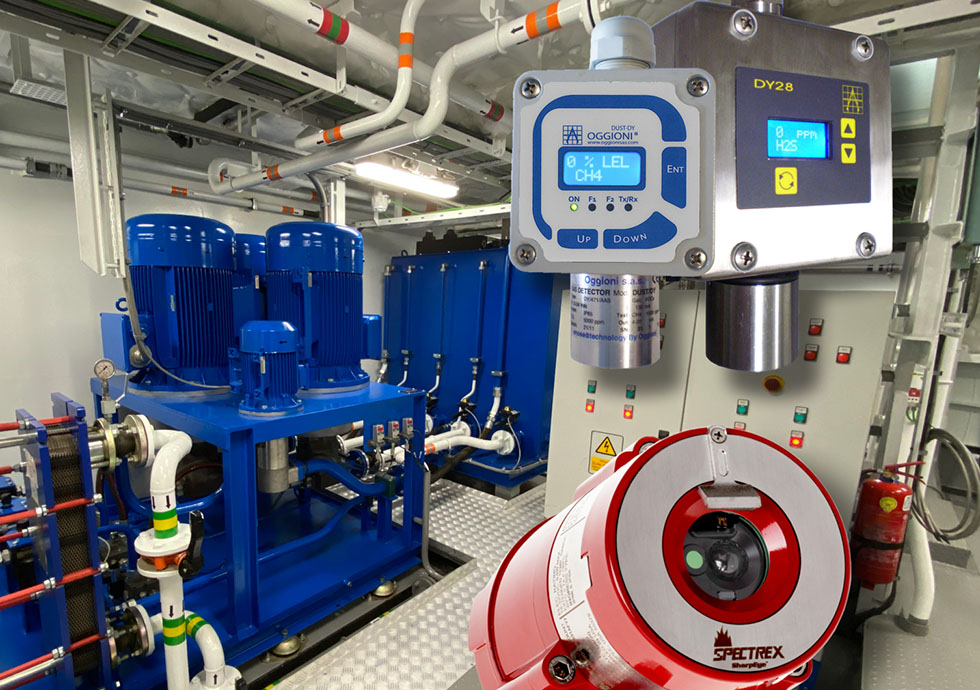
Three types of gas
The strength of gas detection is that it adapts to the specific nature of the hazard. Not all gases have the same consequences or the same installation requirements.
Excessive release of flammable gases can cause a fire or explosion. This is particularly true for hydrogen in battery rooms, butane, propane, or methane in boiler rooms, as well as flammable vapours from solvents or hydrocarbons.
Some gases are harmful, or even deadly, even at very low concentrations. The Réseau DEF page specifically mentions ammonia, hydrogen sulphide, and carbon monoxide, which are found in environments such as deep-freezing facilities, water treatment plants, oil refineries, and underground parking garages.
An abnormal oxygen level is also dangerous. Too low a level can lead to asphyxia or anoxia, while too high a level can promote inflammation. The INRS points out that an oxygen-depleted atmosphere is already considered an anomaly, and the Réseau DEF page uses 21% as the reference concentration.
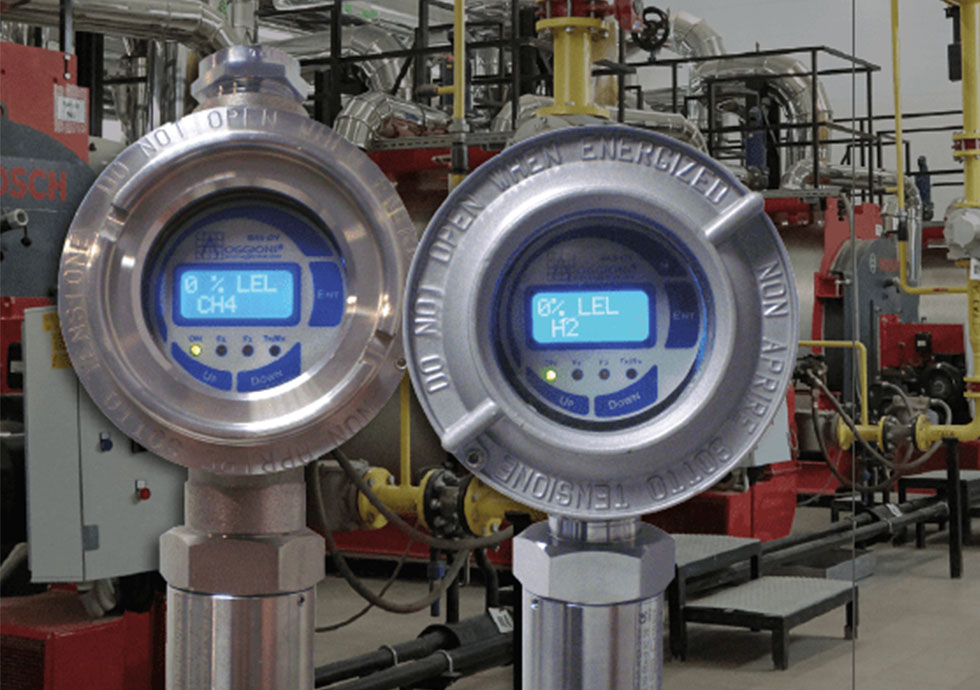
Gas detection is a practical preventive measure in environments where a leak, gas buildup, or lack of oxygen could jeopardize people’s safety and site operations. It enables the rapid identification of anomalies, the initiation of appropriate safety measures, and the mitigation of an incident’s impact on buildings, processes, and production.
| Risk covered | Operational benefit | |
|---|---|---|
| Protection of individuals |
Leak of flammable or toxic gas, or lack of oxygen
|
Early detection and early warning before a critical situation arises
|
| Explosion prevention |
Gas accumulation in the explosive range
|
Automatic triggering of security measures
|
| Business continuity |
Gas incident in a process area, utility room, or sensitive area
|
Reduced downtime, minimised damage, and faster recovery
|
| Regulatory compliance |
ATEX requirements, atmosphere monitoring, employer obligations
|
Compliance and mitigation of legal risk
|
| Maintenance and management |
Sensor drift, fouling, or aging
|
Equipment monitoring and improved performance management
|
The installation of a gas detection system is subject to regulatory and technical requirements designed to prevent the risk of explosions, poisoning, and fires in exposed environments. Here, we need to maintain a clear and educational card-based layout, just like in your template.

These figures illustrate the importance of continuous monitoring to prevent gas-related incidents.
Rooms
Our services
We offer services tailored to your needs, to support you effectively and guarantee quality results.
Analysis of your installations and requirements to identify areas for improvement. We support you in defining your needs and implementing appropriate solutions.

Design and roll-out of bespoke technical solutions. We handle commissioning and verify that your equipment operates correctly.

Predictive, preventive and corrective maintenance to guarantee the performance and reliability of your installations. Rapid response throughout France to ensure an optimal level of safety and extend equipment life.

Modernisation and upgrades of your equipment for optimal financial management of your system. Training for your teams to use the installations efficiently.

Video

11/06/2026
NF S61-932: An amendment that redefines the oversight of actuated devices of safety
13/04/2026
Do fire safety system cables need to be upgraded?
13/04/2026
APSAD R7: the 2025 Amendment officially incorporates linear heat detection
20/03/2026
Temporary fire detection for construction sites: a comprehensive solution provided by the Réseau DEF